
The Community Leads Change: Building the Capacity of Community Initiative Groups in Al-Hasakah
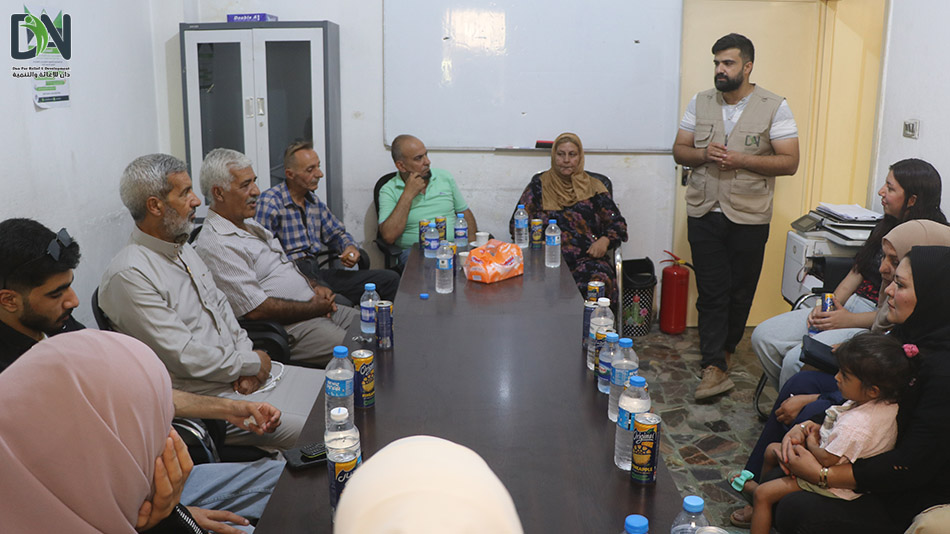
Dan for Relief and Development (DRD) has officially launched the activities of the Survivor and Community-Led Response (SCLR) groups in the Military Neighborhood of Al-Hasakah City as part of the project, “Supporting Localization Efforts in Northeast Syria through Empowering Partners and Local Communities to Lead Survivor and Community-Led Response (SCLR) and Community-Based Protection Programming (CBPP).” The project is being implemented from January to December 2026.
The launch of the community group in the Military Neighborhood marks the beginning of the project’s field implementation. The project aims to strengthen the protective environment, improve safety, and enhance the resilience of conflict-affected communities by empowering local communities to lead response efforts, improve community-based interventions, and increase access to specialized protection services.
“Communities Lead the Response and Create the Solutions”
The project is based on the Survivor and Community-Led Response (SCLR) approach, which places local communities at the center of humanitarian action and enables community members to take the lead in identifying their needs, analyzing priorities, and designing initiatives that directly address those needs. This approach promotes meaningful community participation while fostering sustainable, locally driven solutions.
This activity represents the project’s core component, targeting seven community groups—three in Al-Hasakah Governorate and four in Ar-Raqqa Governorate—with a total of 84 women and men representing diverse community groups, including women, men, internally displaced persons (IDPs), host community members, and persons with disabilities, ensuring inclusive participation in community leadership and decision-making.
“Building the Capacity of Community Groups to Lead Local Initiatives“
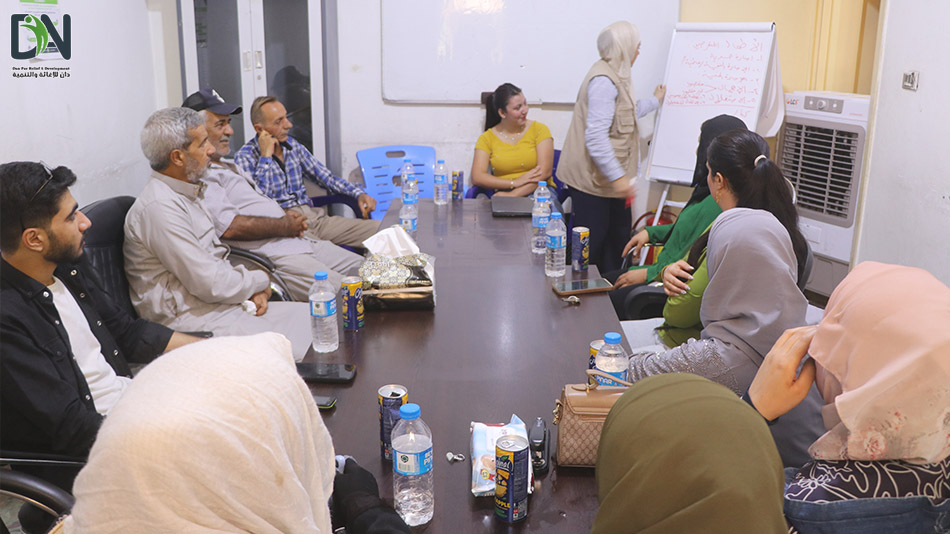
Group members are participating in a comprehensive capacity-building programme covering the SCLR/GCT methodology, including risk and capacity analysis, community mapping, problem analysis, and community action planning.
The programme also includes specialized protection training on protection mainstreaming, safe referral pathways, child protection and safeguarding, and Prevention of Sexual Exploitation and Abuse (PSEA).
In addition, participants receive training in key management skills, including resource management, budgeting, monitoring and evaluation, and community mobilization and advocacy, enabling them to effectively design, implement, and sustain community-led initiatives.
“From Identifying Needs to Implementing Community Initiatives“
Following the completion of the training programme, the groups will move into the implementation phase. Using participatory SCLR tools, they will assess the realities of their communities, identify priority needs, design community-led initiatives, manage available resources, implement activities, and monitor results directly.
This approach ensures that initiatives are genuinely community-driven and responsive to locally identified priorities, strengthening community ownership, promoting a culture of participation, and enhancing resilience in the face of ongoing challenges.
“Integrated Protection Programmes to Maximize Impact”
Alongside the Survivor and Community-Led Response activities, the project will implement a range of community-based protection programmes aimed at improving the well-being of children and families in Al-Hasakah and Ar-Raqqa Governorates.
The project will provide structured psychosocial support (PSS) services for 250 children through specialized curricula that focus on developing life and social skills, strengthening mental well-being, and helping children cope with the effects of crises.
In addition, 600 children and caregivers will participate in community awareness sessions designed to increase knowledge of child protection, positive parenting, psychosocial support, and risk mitigation, contributing to a safer and more supportive environment for children.
The project also includes case management and safe referral services targeting children and their caregivers to ensure access to appropriate protection support.
“Towards More Resilient Communities”
This project reflects Dan for Relief and Development’s vision of placing local communities at the heart of humanitarian response and sustainable development by empowering them to identify their priorities and lead initiatives that address their own needs.
With the launch of the first community group in the Military Neighborhood of Al-Hasakah City, the project takes its first practical step toward strengthening social cohesion, supporting localization efforts, and building more resilient communities capable of overcoming challenges and shaping their future through their own capacities and local resources.
التعليقات مغلقة.